
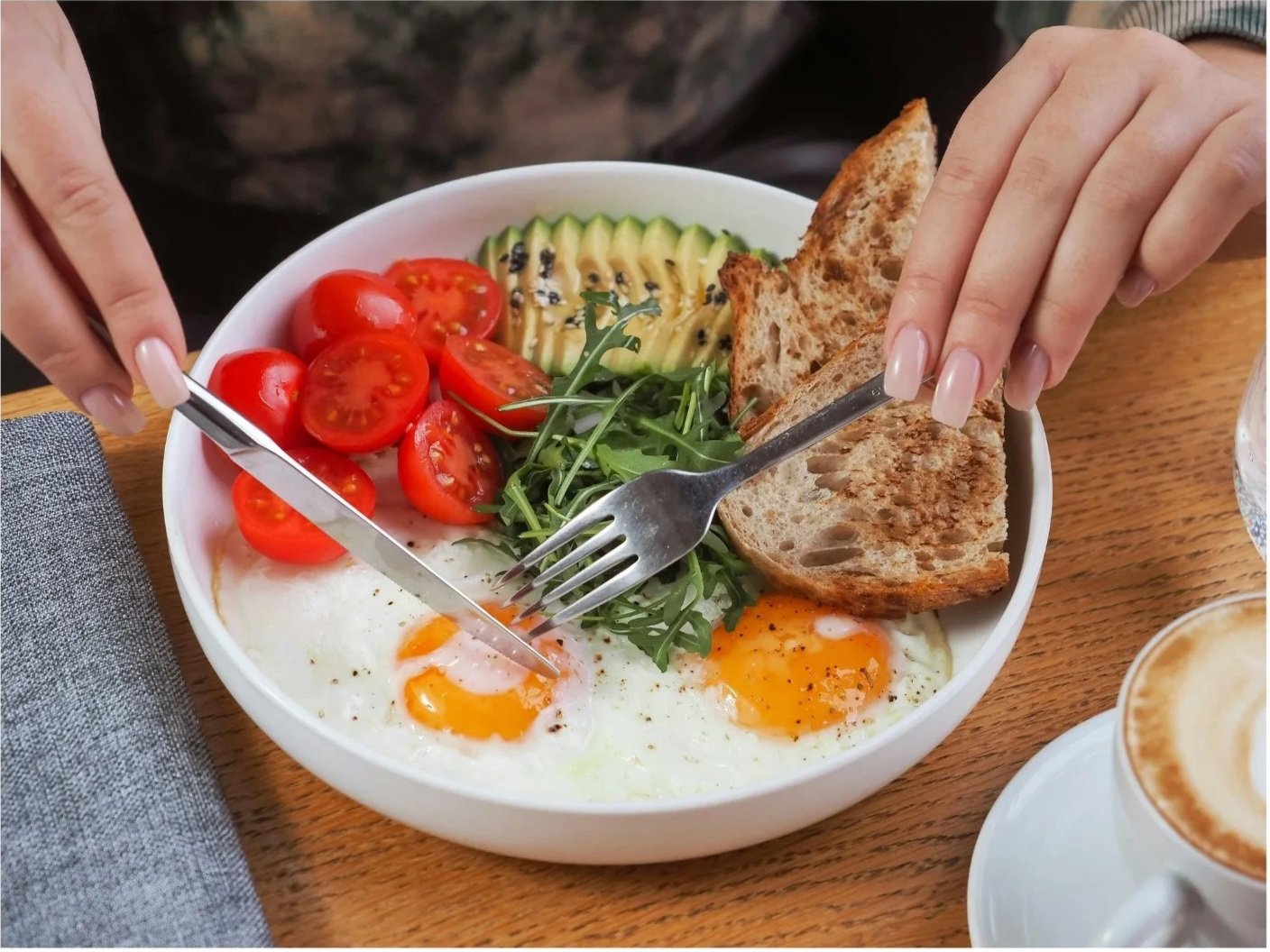
Why Eating More Protein Matters for Healthy Aging
Maintaining independence as you age depends largely on preserving your muscle and bone health. A strong musculoskeletal system allows you to move confidently, maintain balance and perform everyday activities with more ease. From a nutritional perspective, protein is one of the most important nutrients for supporting this system. Its importance is often overlooked. It could be the difference between staying strong and mobile in your later years or gradually losing the ability to live life on your own terms.
If you’re over the age of 50, become ill, and spend weeks in recovery from an injury or surgery, muscle loss can occur rather quickly. Your physical inactivity during that time can often lead to an increase in body fat and a decline in your strength, balance, and overall function.
Severe muscle loss is commonly known as sarcopenia. Research estimates that millions of older adults are affected worldwide, and its prevalence increases significantly with age. Education and awareness can help more adults prevent this change and stay stronger to avoid a debilitating outcome.
Proteins Heal
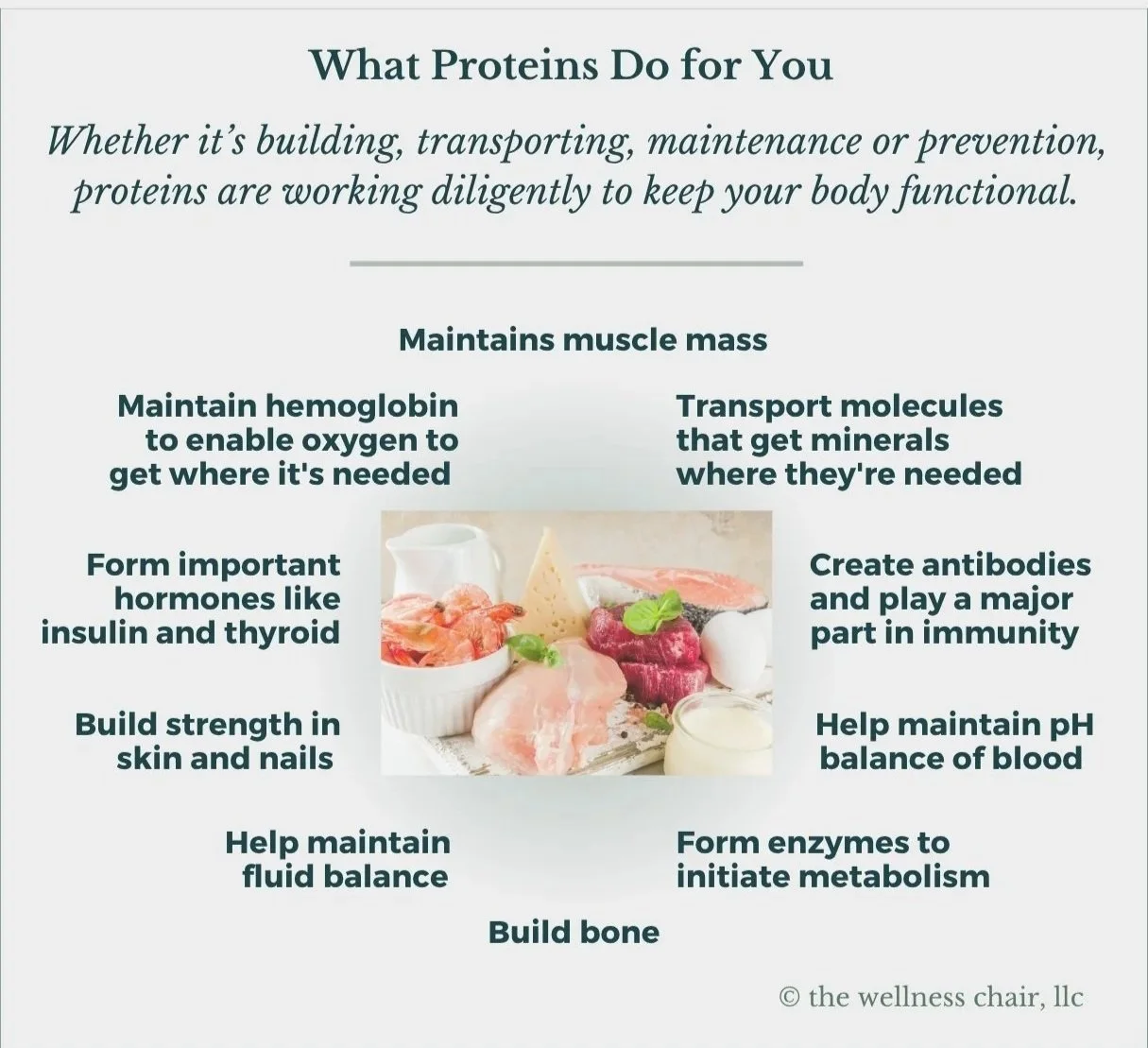
Your body uses proteins to repair from injury, surgery and illness too. Whether it’s building, transporting, maintenance or prevention, proteins are at work keeping your body functional. Proteins come in many forms, but animal proteins are generally considered the most efficient sources for maintenance, healing and repair. They are complete proteins, which means they provide all nine essential amino acids that are easily utilized by your body.
This doesn’t mean that you can’t get what you need from plant based proteins in seeds, legumes, grains and nuts. It just takes a lot more careful planning, closer attention to food variety and in many cases, larger portions are needed to make sure there is adequate intake to enable complete proteins to be utilized.
How Much Protein
Research shows that a diet that includes 1 to 2 grams of protein per kilogram of body weight per day is best for most aging adults in order to maintain full functionality. Optimal intake is largely due to your activity level and current health conditions, with the average person needing somewhere between 1.2 to 1.6 grams of protein per kilogram of body weight daily. If you want to live a lively, active life as you age, you need to pay attention to how much protein you’re getting in your diet. You most likely need more than you realize.
Most experts suggest getting protein throughout the day. Including protein at each meal may help support your muscle maintenance more effectively as you age.
Eight Ways to Get Complete Proteins into Your Diet:
Slow Cooked Grass Fed and Pasture Raised Meats and Poultry. Slow cooking has many advantages that makes meat more tender while making flavors intensify. In some cases, it keeps nutrients more intact that otherwise may often be lost during cooking at higher temperatures. Always go for the best quality you can afford. It’s a simple method that ensures a delicious end result.
Liver. It’s not for everyone, but if you like it, definitely keep it in your diet once a week to pack in the nutrients. Make some into a pate and enjoy on some celery or with your favorite toast.
Protein Powders. Whey protein, bone broth protein, pea protein. Look for versions that have few ingredients and no added sugars. Read the labels carefully, because there’s a lot of junk out there. This is a great way to get in extra protein. Put some in a breakfast smoothie with greens, add some to your oatmeal, you can even add some to baked goods.
Eggs. Both egg white and egg yolks have a good amount of protein. Boil some up to have ready to use in salads, sandwiches or just eat them alone. Choose pasture raised if you can.
Wild Fish and Shellfish. Excellent sources of protein and so easy to cook up in minutes.
Bone Broths and Stocks. Sip them like a tea, Use them to cook rice, make soups and cook greens. They can contribute extra protein and collagen, especially when made from bones and connective tissue in traditional ways.
Organic Dairy Products from Pasture Raised Animals. If your digestive system can tolerate them, it can be a great way to add in protein. Instead of grabbing a cookie or cake after dinner, have half of a warmed banana or a handful of blueberries with a couple of tablespoons of Greek yogurt.
Vegetarian Options. Tofu, edamame, quinoa, are some examples of complete proteins. Combining food like beans with rice or nut butters with toast will also make complete proteins.
Key Takeaways
Adequate protein is a non-negotiable for maintaining a healthy musculoskeletal system and independent aging.
Protein needs can be met with animal or plant proteins, but animal proteins can be utilized more efficiently.
The average woman gets less than the needed amount of protein for maintaining muscle health.
Complete proteins provide all the nine essential amino acids that the body requires.
Protein should be part of every meal throughout the day.